

The programme
Two years across the whole HVDC chain
DCMAPS takes you from the physics of power semiconductors to the operation of multi-terminal DC grids. You'll study at leading technical universities and write your thesis with a research group or company.
Objectives
Europe's energy transition depends on moving large amounts of power over long distances and under the sea. High-voltage direct current (HVDC) links and converter-based grids make that possible, but they need engineers who understand both power electronics and power systems.
DCMAPS trains those engineers. By the end of the programme you will be able to:
- design and model converter stations for HVDC transmission
- develop control strategies for grid-forming and grid-following converters
- plan, protect and operate multi-terminal DC grids
- assess how converter-dominated systems behave during faults and disturbances
- work on research and development projects with transmission operators and manufacturers
What you'll learn
Power electronics
Semiconductor devices, converter topologies and modular multilevel converters.
Control
Converter control, grid-following and grid-forming operation and interaction between converters.
Power systems
Load flow, stability and dynamics of AC/DC systems with high shares of renewables.
Protection
DC fault behaviour, DC circuit breakers and protection schemes.
High-voltage engineering
Insulation, cables and components for HVDC stations.
Research and industry practice
Real-time simulation, laboratory work and a thesis on an open problem.
Semester by semester
Every student follows the same first year. In the third semester you choose one of two specialisations.
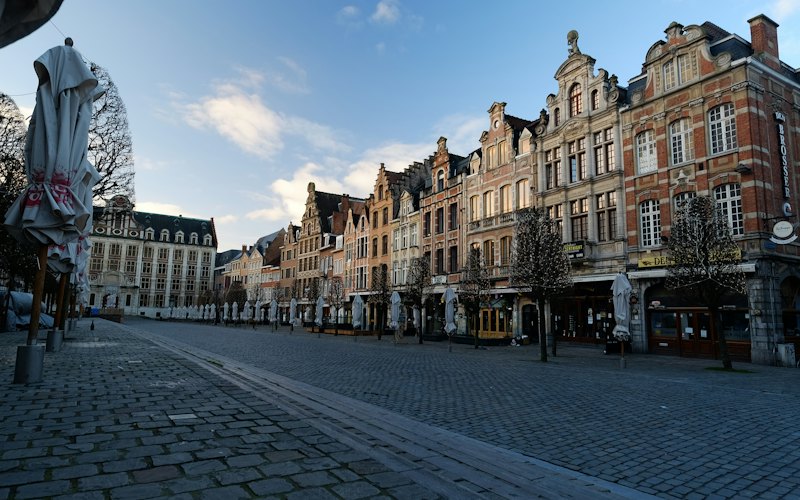
Semester 1
Foundations
KU Leuven, Leuven
Power system analysis, power electronics, HVDC fundamentals
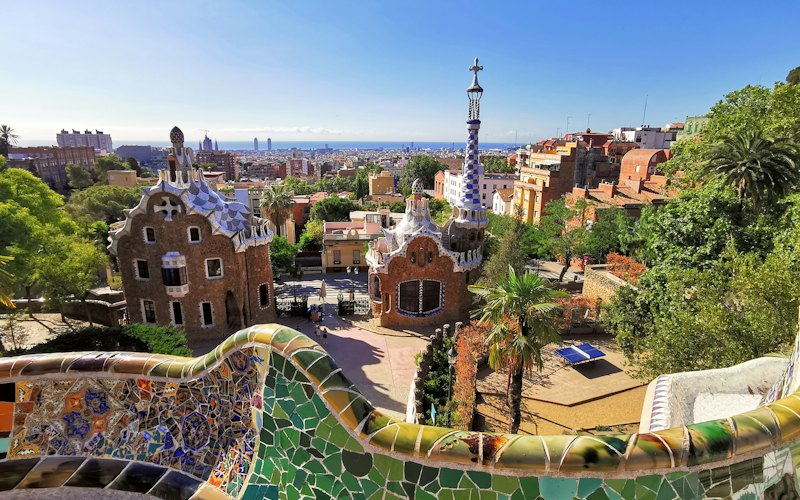
Semester 2
Converter technology
UPC, Barcelona
Converter control, grid-forming operation, modular multilevel converters
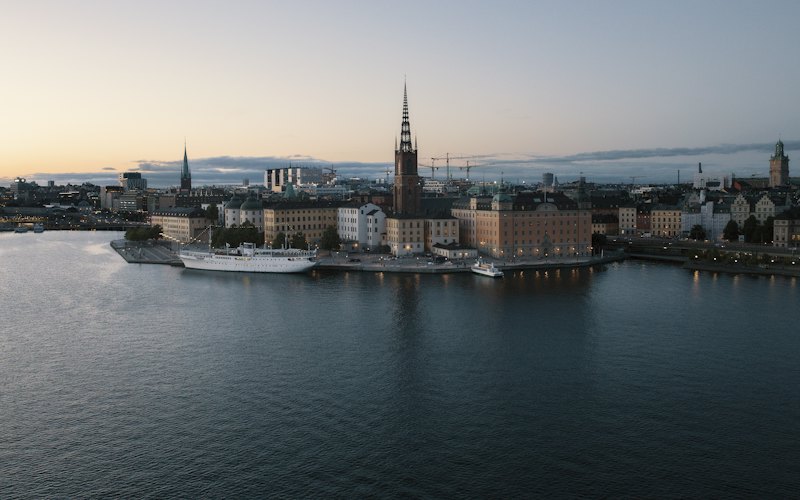
Semester 3
Specialisation
DTU, Kongens Lyngby or KTH, Stockholm
DC grids and offshore wind at DTU, or HV components and DC protection at KTH
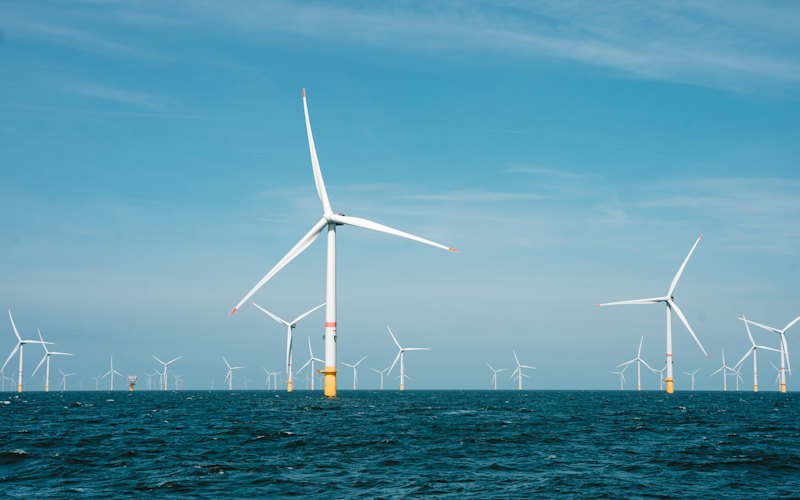
Semester 4
Master's thesis
Any partner or industry
Research thesis with a partner university or company
| Course | ECTS |
|---|---|
| Power system analysis | 6 |
| Power electronics | 6 |
| HVDC transmission fundamentals | 6 |
| Electrical machines and drives | 6 |
| Numerical methods for power systems | 6 |
| Total | 30 |
| Course | ECTS |
|---|---|
| Control of power converters | 6 |
| Grid-forming converters | 6 |
| Modular multilevel converters | 6 |
| Real-time simulation laboratory | 6 |
| Energy markets and regulation | 6 |
| Total | 30 |
| Course | ECTS |
|---|---|
| Multi-terminal DC grids | 7.5 |
| Offshore wind power integration | 7.5 |
| Stability of converter-dominated systems | 7.5 |
| Specialisation project | 7.5 |
| Total | 30 |
| Course | ECTS |
|---|---|
| HVDC cables and insulation | 7.5 |
| DC circuit breakers and protection | 7.5 |
| Power semiconductor devices | 7.5 |
| Specialisation project | 7.5 |
| Total | 30 |
| Course | ECTS |
|---|---|
| Master's thesis | 30 |
| Total | 30 |
TBCExample structure. Course titles and credits will be confirmed.
Mobility
You move as a group for the first year: Leuven in the autumn, Barcelona in the spring. For the third semester you choose Kongens Lyngby or Stockholm, depending on your specialisation. You can write your thesis at any of the four universities or with an industry partner.
The consortium helps with visas, housing and registration at each university. You'll spend at least one semester in three different countries.
DegreeTBC
Graduates receive a double or triple master's degree depending on the chosen track. The exact degree title will be confirmed.
Careers
Transmission system operators, HVDC manufacturers, offshore wind developers, consultancies and research institutes are all recruiting engineers with converter and DC grid expertise.
- HVDC system engineer
- Power electronics design engineer
- Grid integration engineer
- Protection and control engineer
- Power system studies consultant
- PhD researcher